
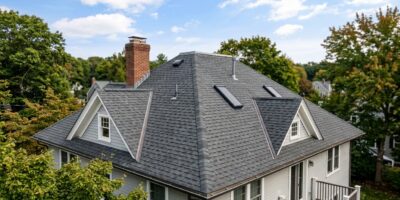




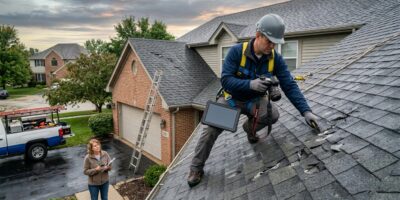
Your Roof Is Your First Line of Defense
Your roof is one of the most important parts of your home. It is your home’s first line of defense against severe weather and the elements.
A good roofing system helps keep your home dry, comfortable, and protected. It creates a strong barrier against rain, wind, snow, ice, and other harsh weather. It also helps provide proper insulation and prevents water from getting inside your home.
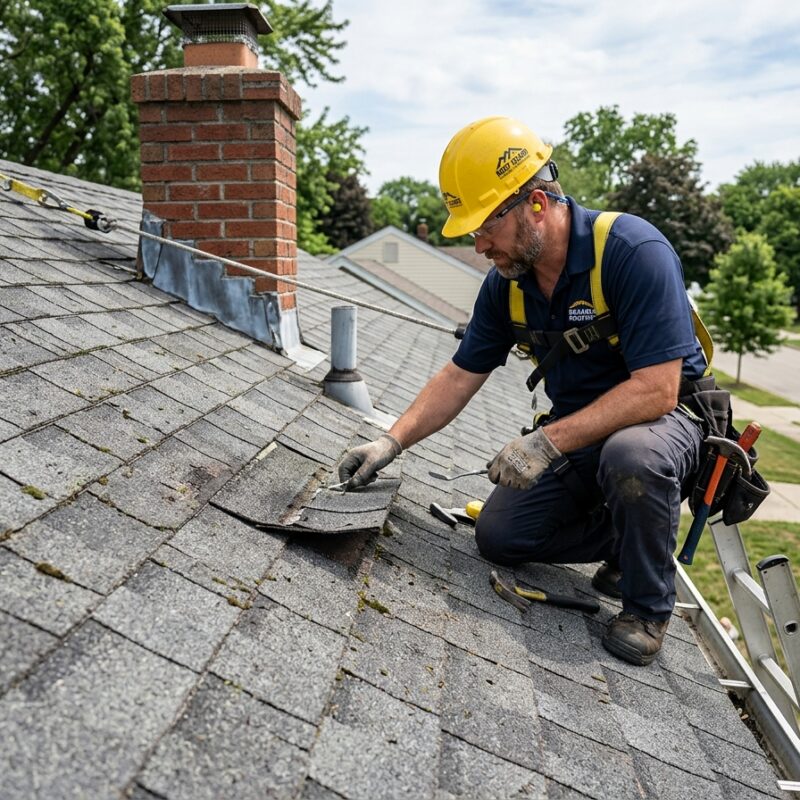

At American Hammer, we understand that your roof is more than just shingles. It is a complete system designed to protect your home and everything inside it.
We work with leading roofing brands and use high-quality materials. Our roofing systems include high-performance waterproofing membranes and durable shingles designed to provide protection against impacts and strong winds.
But good materials are only part of the job. Professional installation is just as important. Every part of the roofing system needs to be installed correctly to help prevent leaks and protect your home.
Our team pays close attention to important areas such as waterproofing, flashing, ventilation, edges, and other points where water or wind could enter.
Your roof faces the weather every day. Heavy rain, strong winds, hail, and snow can all put stress on your home. That is why choosing quality materials and professional installation is an important investment.
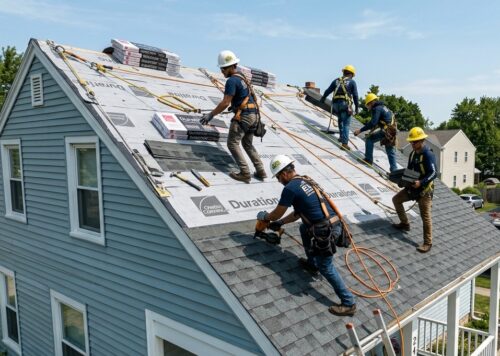
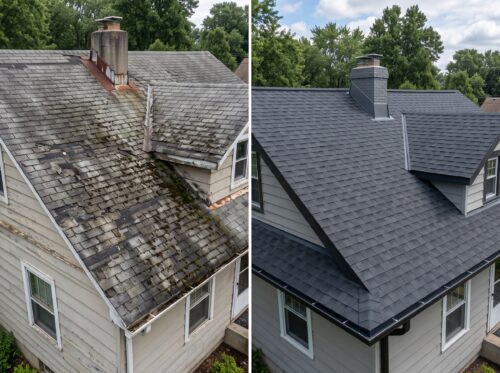
A properly installed roof can help protect your property for many years. It can also help preserve the value, comfort, and structural integrity of your home.
At American Hammer, our goal is simple: protect your home with quality materials, professional workmanship, and a roofing system you can trust.
Your home is one of your most important investments. Give it the protection it deserves.
Have a roofing problem?
Tell us what’s happening, upload a photo or video, and our team will take a look at your project.
1. How do I know if my roof needs repair?
Common signs include missing or damaged shingles, leaks, water stains, cracked flashing, exposed areas, or visible wear. A professional inspection can help identify the problem.
2. How do I know if I need a roof replacement?
If your roof is older, has extensive damage, has repeated leaks, or is approaching the end of its expected lifespan, replacement may be worth considering. An inspection can help determine the best option.
3. How long does a roof typically last?
The lifespan depends on the roofing material, installation, maintenance, weather, and other conditions. Asphalt shingle roofs commonly last around 15–30 years.
4. What are the most common causes of roof leaks?
Leaks can come from damaged shingles, flashing, vents, chimneys, skylights, valleys, ice or snow damage, and improper installation.
5. What should I do if my roof is leaking?
Contact a roofing professional as soon as possible. If safe, document the damage with photos or video and check for interior water damage.
6. Can you repair storm-damaged roofs?
Yes. We can inspect roofs for damage caused by hail, wind, heavy rain, snow, and other severe weather.
7. What does hail damage look like on a roof?
Hail damage may include bruised or cracked shingles, exposed areas, damaged vents, gutters, flashing, or other exterior components. Some damage may not be obvious from the ground.
8. Can high winds damage my roof?
Yes. Strong winds can loosen, lift, crack, or remove shingles and can also damage flashing and other roofing components.
9. Can heavy snow damage my roof?
Heavy snow can add significant weight to a roof. Ice dams and melting snow can also contribute to water infiltration and damage.
10. Do I need to replace my entire roof if only one area is damaged?
Not always. Depending on the location, extent of damage, roof age, and condition, a repair may be possible.
11. How long does a roof replacement take?
The timeline depends on the size and design of the roof, materials, weather, accessibility, and the condition of the existing roof.
12. How much does a new roof cost?
Roofing costs vary based on roof size, materials, design, labor, existing damage, and project requirements. An inspection and estimate can provide a more accurate cost.
13. What types of roofing materials do you install?
Roofing options can vary by property and project. Our team can help you understand available materials and choose an option that fits your home and needs.
14. Do you replace damaged flashing?
Yes. Damaged or deteriorated flashing around chimneys, vents, skylights, walls, and other areas can contribute to leaks and may need to be repaired or replaced.
15. Can a roof problem cause damage inside my home?
Yes. Roof leaks can lead to water stains, damaged drywall, wet insulation, wood damage, and other interior problems if they are not addressed.
16. How often should I have my roof inspected?
Regular inspections can help identify problems before they become larger repairs. It is especially important to inspect your roof after significant storms or severe weather.
17. Can you help with insurance-related roof damage?
We can inspect the roofing damage and document the work that may be needed. If you have an insurance claim, our team can help explain the roofing portion of the project.
18. Do you provide emergency roofing services?
If your roof has sudden damage or an active leak, contact us as soon as possible. We can evaluate the situation and determine what action is needed.
19. What can I do to protect my roof?
Regular inspections, keeping gutters clear, addressing damaged shingles quickly, maintaining flashing, and keeping trees properly trimmed can help protect your roof.
20. How do I get started with my roofing project?
Tell us what’s wrong with your roof, upload a photo or video, and our team will review your project. We’ll contact you to discuss the next steps.